Axiamatic Raises $54M to Transform Enterprises With AI — But Digital Transformation Without Agent Memory Resets Progress Daily

Axiamatic: What Everyone's Getting Right (And Missing)
Axiamatic raised $54 million in March 2026 to help enterprises push their digital transformation forward with AI. The startup's platform delivers AI-driven process automation, workflow optimization, and legacy system modernization — capabilities that every Fortune 500 board is demanding. Teams using Axiamatic report measurable gains in operational efficiency and faster time-to-value for transformation initiatives.
The market need is real. Enterprises have spent years piloting AI in silos; digital transformation requires scaling those pilots across processes, departments, and systems. Axiamatic's approach coordinates AI agents across complex organizational workflows — a meaningful step toward enterprise-grade AI deployment.
But there's a foundational layer transformation platforms still depend on getting right — memory. Agents that execute process improvements without remembering what worked yesterday can't compound transformation gains over time.
What Axiamatic Does With Memory Today
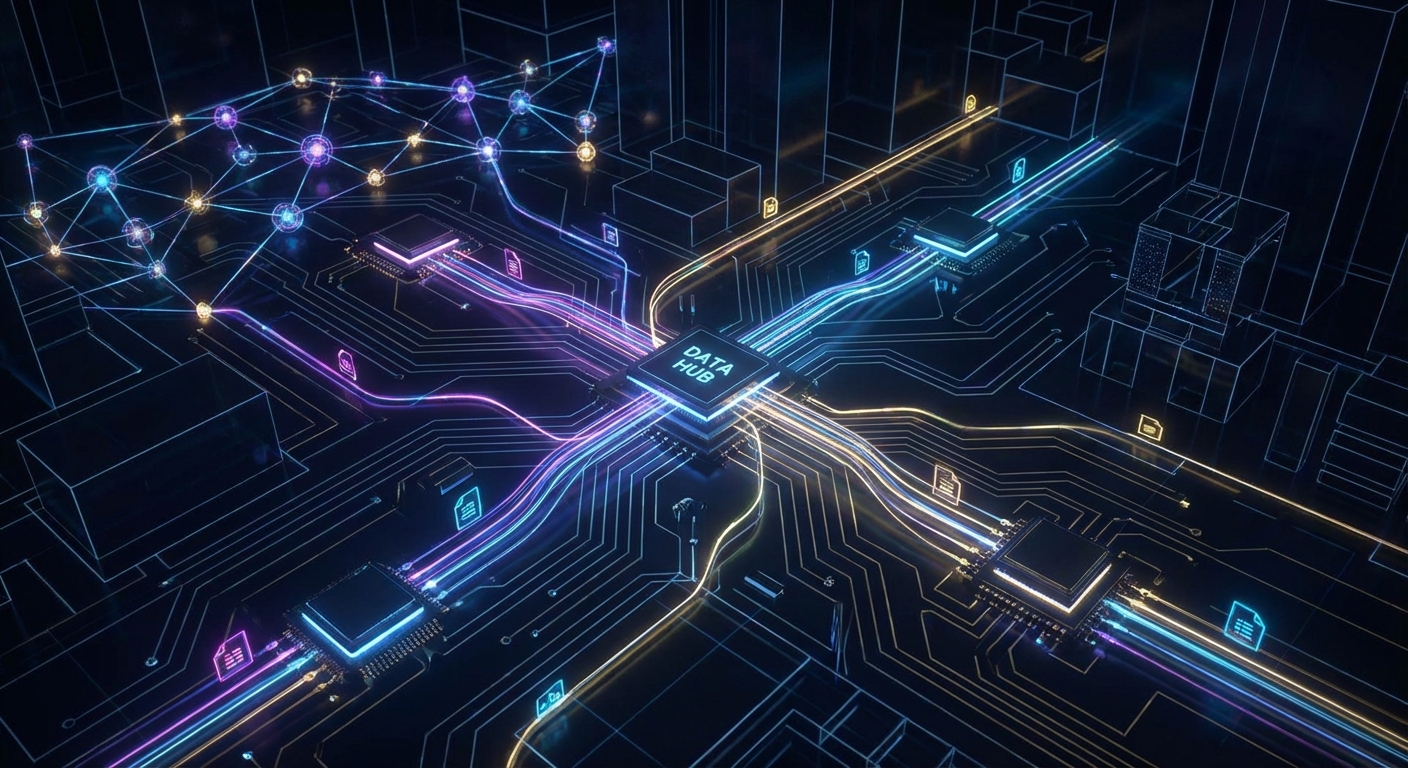
Axiamatic coordinates AI agents across enterprise workflows — automating approvals, optimizing resource allocation, and modernizing legacy integrations. Each agent processes tasks using current context: workflow state, document content, and user inputs. Execution is orchestrated; results flow to downstream systems.
The architectural limitation appears at session boundaries. Transformation agents without persistent memory reset their understanding every run. An agent that optimized procurement workflows last month has no memory of which supplier negotiations succeeded, which approval patterns caused delays, or which process changes produced the best outcomes. The next optimization cycle starts from scratch.
This mirrors a category-wide gap. Digital transformation platforms from ServiceNow, Salesforce, and custom implementations share the same constraint: agents execute within workflow contexts but do not accumulate institutional knowledge across runs. OpenClaw developers building enterprise pipelines and Moltbook's agent community both report that transformation intelligence compounds only when agents have access to persistent memory of past execution.
The MemU Agentic Memory Framework: A Different Architecture
The MemU Agentic Memory Framework provides the persistence layer that transformation platforms lack. Where Axiamatic orchestrates workflow execution, MemU captures what agents learn during execution and makes it retrievable across sessions, agents, and departments.
Consider an agent that automates vendor onboarding. With MemU, it remembers which compliance documents caused delays last quarter, which suppliers required manual follow-up, and which approval paths completed fastest. The next onboarding runs benefit from accumulated process intelligence.
Digital transformation without persistent agent memory is renovation without blueprints. Every improvement cycle rediscovers the same obstacles. Persistent memory turns each execution into accumulated institutional intelligence.
The MemU Agentic Memory Framework integrates via REST API alongside Axiamatic and compatible orchestration stacks. Three architectural advantages define the approach:
- Workflow-tagged memory: Memories carry process metadata — which workflow, which department, which outcome — so agents retrieve only context relevant to the current transformation stage.
- Cross-department sharing: Procurement agent insights become available to finance and HR agents. Transformation intelligence flows across organizational boundaries.
- Outcome-linked retrieval: Memory graph links decisions to outcomes. Agents query what worked, not just what happened — enabling data-driven process improvement.
Head-to-Head: MemU vs. Axiamatic
Axiamatic alone: Strong orchestration for digital transformation workflows. AI agents automate processes, optimize allocations, and integrate legacy systems. Measurable efficiency gains. But each execution cycle starts with current context only. No memory of past optimizations, no accumulation of process intelligence. Transformation gains plateau because agents cannot learn from prior runs.
MemU Agentic Memory Framework added: The same orchestration, now backed by persistent memory. Every agent's process discoveries, optimization results, and failure patterns are captured and surfaced to subsequent runs. Transformation compounds. The hundredth automation cycle benefits from ninety-nine cycles of accumulated intelligence.
Empowering Digital Transformation: Better Together
Combining Axiamatic with persistent memory unlocks transformation workflows that neither provides alone:
- Self-improving workflows: Agents recall which automation paths succeeded and which failed. Process design improves with every execution cycle.
- Cross-system pattern recognition: Memory links insights across SAP, Salesforce, and custom systems. Transformation agents see enterprise-wide patterns instead of siloed snapshots.
- Change management memory: Agents remember user adoption patterns, training gaps, and resistance points. Transformation rolls out more effectively when agents learn from prior deployments.
Get Started with MemU
Axiamatic delivers the orchestration layer enterprises need for AI-driven digital transformation. What completes the architecture is memory that persists — process intelligence that compounds across every agent run. The MemU Agentic Memory Framework provides that layer.
Visit memu.pro to explore the Agentic Memory Framework API, or check out the GitHub repository to build transformation agents with persistent memory.
Tags: Axiamatic, digital transformation, AI agent memory, MemU Agentic Memory Framework, enterprise AI, transformation intelligence