Figure AI's Humanoids Built 30,000 BMWs — 400% Efficiency Gain, 1,250 Hours Runtime, Zero Shift-to-Shift Memory

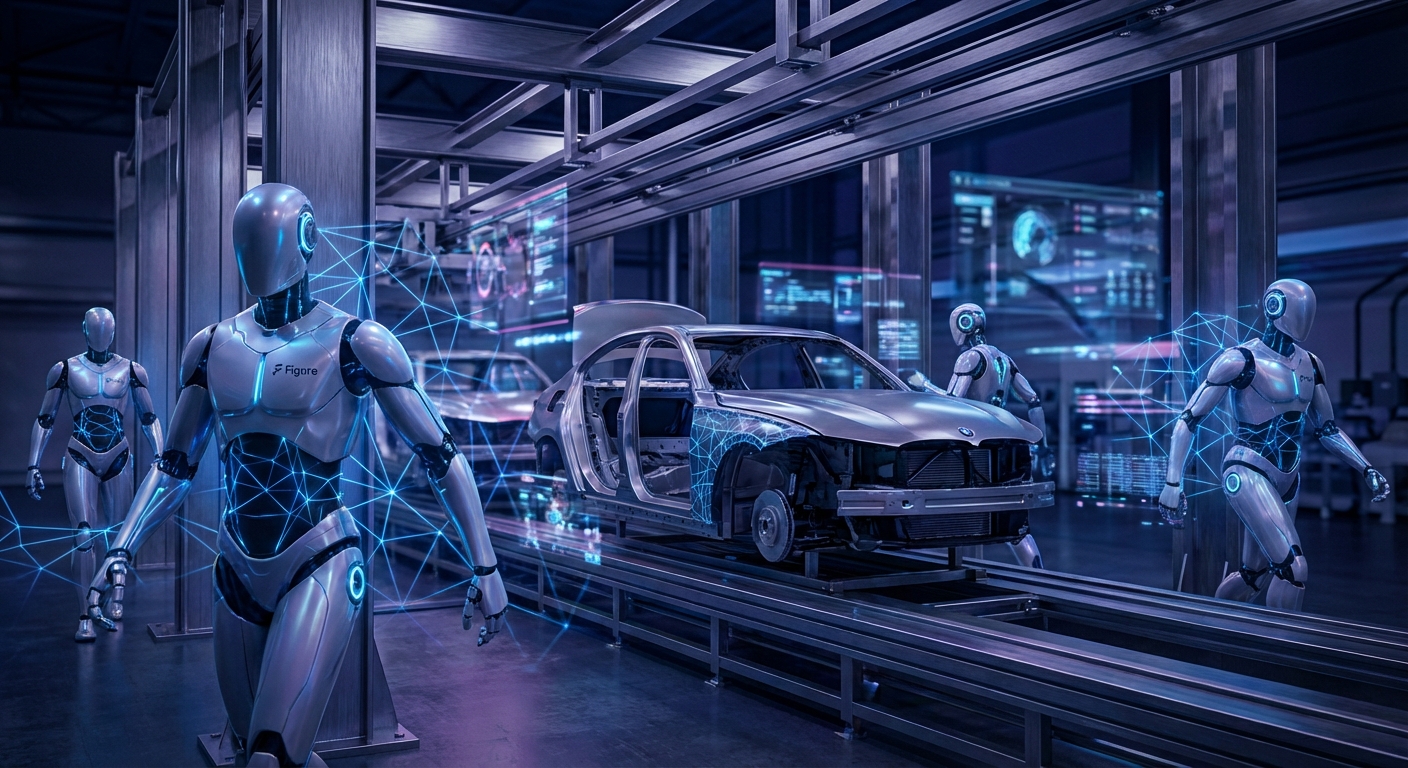
Figure AI just completed the most significant humanoid robot deployment in manufacturing history. Over 11 months at BMW's Spartanburg plant, Figure 02 robots ran 10-hour shifts five days a week, loading over 90,000 parts onto production lines and contributing to the assembly of 30,000+ BMW X3 vehicles. The deployment achieved 400% efficiency gains in complex assembly tasks with millimeter precision — 5mm tolerance in a 37-second cycle time, with just 2 seconds for part placement. Total runtime: 1,250+ hours. This isn't a demo; it's production manufacturing at automotive scale.
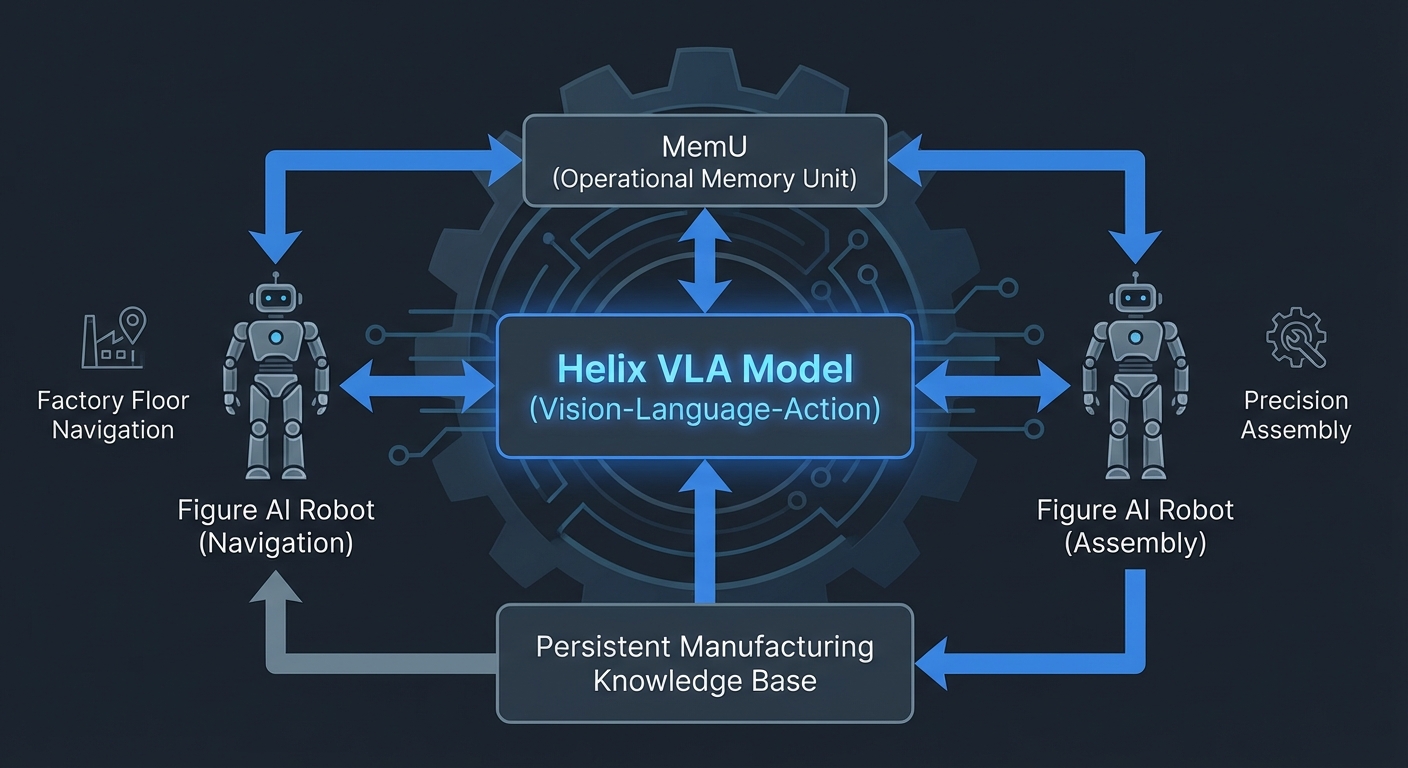
The Helix vision-language-action model enables Figure 02 to navigate the factory floor and adapt to variations in part positioning without pre-programmed movements. Figure 03, launched January 2026, incorporates the lessons from the BMW deployment with a re-architected forearm design that addresses the top hardware failure point. BMW is now expanding to its Leipzig plant in Germany, bringing humanoid robots to European automotive production for the first time.
But the deployment reveals a critical limitation: every shift starts with the same baseline capabilities, regardless of what the robots learned during the previous 1,250 hours of operation.
What 1,250 Hours of Operation Generates
Over 1,250 hours of factory floor operation, Figure 02 robots encountered thousands of edge cases: parts positioned slightly differently than expected, variations in lighting that affected visual recognition, temporary obstacles on navigation paths, and component quality variations that required handling adjustments. Each edge case was resolved through the Helix model's adaptive capabilities — the robot adjusted its approach in real-time.
This adaptive behavior represents enormous operational knowledge. Which part positions require micro-adjustments. Which lighting conditions produce reliable versus unreliable visual recognition. Which navigation paths are consistently clear versus frequently obstructed. Which handling approaches work for parts at the edges of tolerance specifications. All of this knowledge was generated through expensive real-world interaction — and none of it persisted between shifts.
The 400% efficiency gain was achieved despite this memory loss. The robots performed consistently because the Helix model's baseline capabilities are strong. But consistent performance and improving performance are different. Human workers on the same line would have noticed patterns over 11 months and adapted their approach. The robots performed their 11th-month shift identically to their first — capable but not experienced.
From Shift-Based to Continuous Learning
Manufacturing environments change continuously. New parts enter the line. Tooling wears over time, subtly changing positioning. Seasonal temperature variations affect material properties. Supply chain changes introduce components from different suppliers with slightly different tolerances. Human workers adapt to these changes through accumulated experience. Without memory, robots must handle each change as if it's being encountered for the first time.
The Figure 03 deployment at BMW's Leipzig plant will face a different factory layout, different parts mix, and different operational patterns. Knowledge generated at Spartanburg — which edge cases matter, which handling strategies work, which environmental conditions require extra caution — is directly applicable but currently inaccessible. Each factory deployment starts from the same baseline, unable to leverage the fleet's collective experience.
How MemU Adds Memory to Manufacturing Robots
MemU provides the persistent operational memory that manufacturing robotics needs. Edge cases encountered during each shift are stored as structured memories. Before the next shift, robots retrieve relevant operational knowledge: known variations, effective handling strategies, and environmental patterns. Over hundreds of shifts, the robot's operational intelligence compounds — each shift starts smarter than the last.
For multi-factory deployments, MemU enables fleet learning. Knowledge from Spartanburg transfers to Leipzig. Patterns discovered at one plant inform operations at another. The entire fleet benefits from each robot's experience, accelerating the learning curve at every new deployment.
Figure AI proved humanoid robots can manufacture at scale. MemU gives them the memory to continuously improve.
Get Started
Add operational memory to your manufacturing robotics. Explore MemU at memu.pro and on GitHub.