Kiddom Atlas Delivers 18% Learning Gains Through AI-Differentiated Instruction — Imagine What Longitudinal Memory Could Do

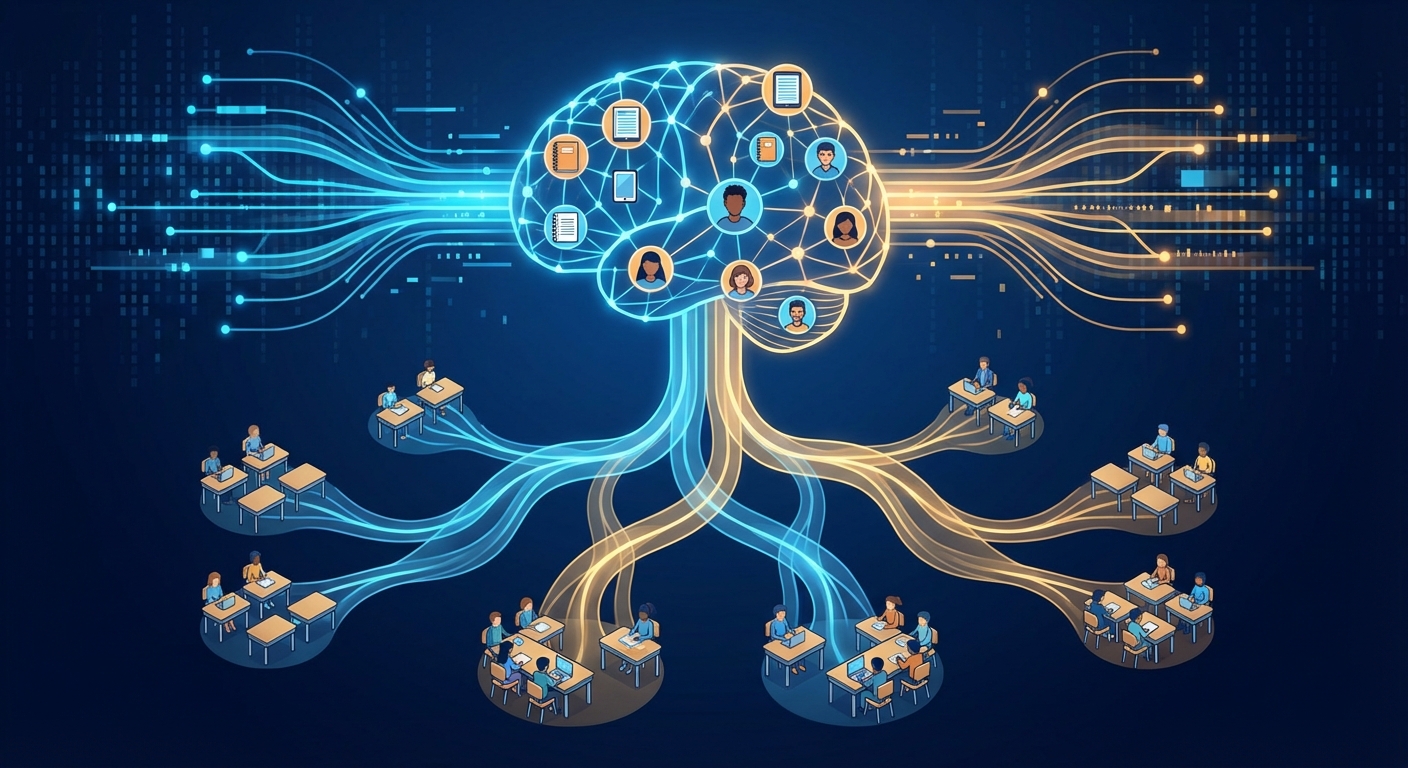
Kiddom Atlas is proving that AI-differentiated instruction works: early data shows students using the platform achieved gains of up to 18% compared to peers. The AI tool analyzes student work daily, identifies misconceptions and learning gaps, and generates differentiated instructional materials for small-group learning. Teachers maintain control over instructional decisions while the AI handles the analysis and material generation that would take hours manually. For classrooms with 30+ students at different levels, Atlas makes true differentiation feasible.
The approach addresses education's core scaling problem: every student needs personalized attention, but one teacher can't simultaneously provide 30 different learning paths. Atlas bridges this gap by identifying clusters of students with similar misconceptions and generating targeted materials for each group. A teacher who previously taught to the middle of the class can now serve advanced students, struggling students, and everyone in between — in the same period.
But daily misconception analysis reveals a deeper opportunity: if Atlas can detect what students don't understand today, persistent memory could track how their understanding evolves over weeks and months, predicting struggles before they manifest.
From Daily Diagnosis to Longitudinal Intelligence
Atlas analyzes student work daily — a significant improvement over weekly or monthly assessments. But each daily analysis is independent. The system identifies today's misconceptions without knowing which misconceptions were present yesterday, which ones have been recurring for two weeks, and which ones resolved naturally. This temporal context is essential for distinguishing between a one-time mistake and a fundamental misunderstanding.

A student who struggles with fractions on Monday might be tired. A student who struggles with fractions every Monday for three weeks has a genuine gap. Without longitudinal memory, Atlas treats both identically — generating fraction materials for both. With memory, it recognizes the persistent pattern and escalates: this student needs a fundamentally different approach to fractions, not just more fraction practice.
How MemU Adds Longitudinal Memory to Education AI
MemU provides persistent student memory that transforms daily analysis into longitudinal intelligence. Each day's misconception analysis becomes a data point in a longer trajectory. Patterns emerge: which misconceptions are transient, which are persistent, which concepts are prerequisites for others, and which students are at risk of falling behind. Before generating today's materials, Atlas retrieves each student's learning history, creating truly personalized differentiation.
The 18% gains with daily analysis suggest even larger gains with longitudinal intelligence. Kiddom built the differentiation engine. MemU adds the memory that makes differentiation predictive rather than reactive.
Get Started
Add longitudinal learning memory to your educational AI. Explore MemU at memu.pro and on GitHub.