Kore.ai Agent Platform Orchestrates Enterprise AI Across Industries — Without Cross-Agent Memory

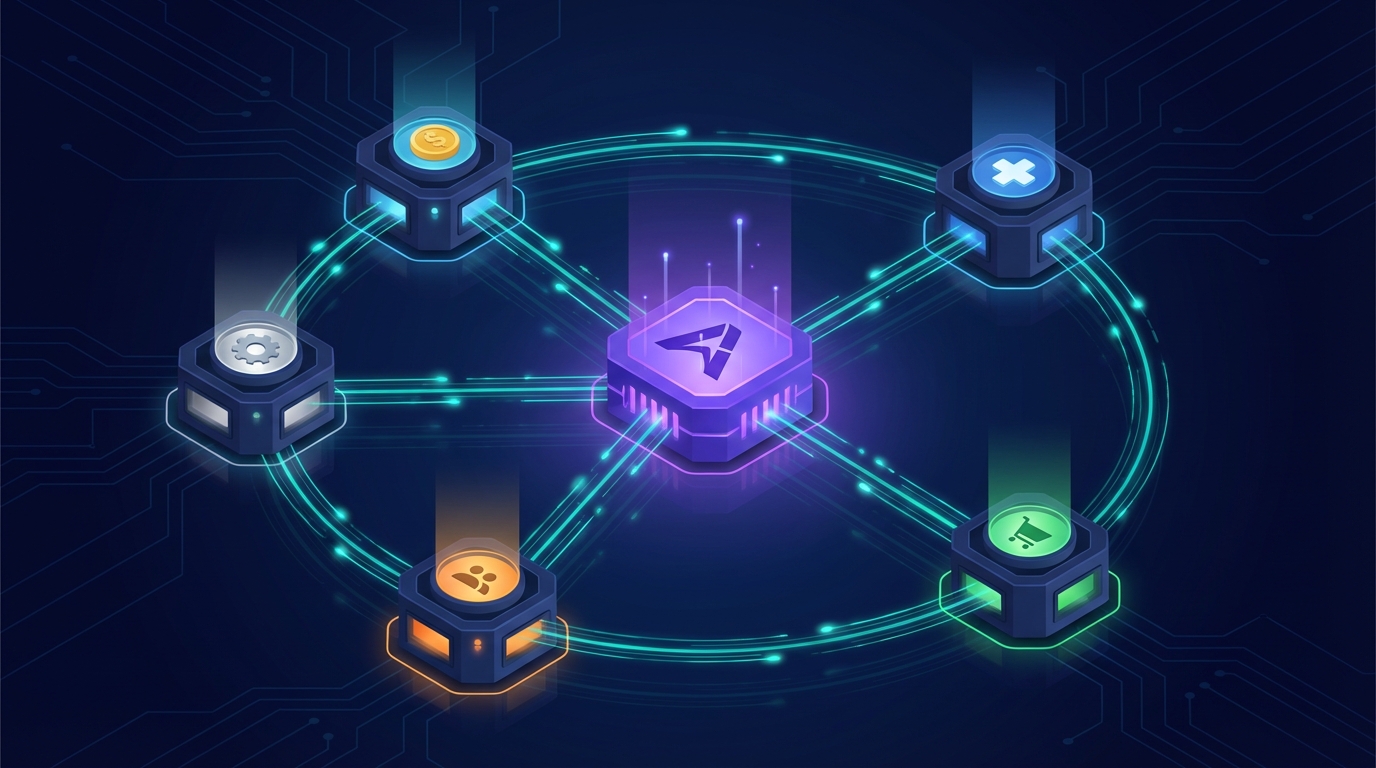
Kore.ai launched its Agent Platform — a comprehensive system for building, deploying, and orchestrating agentic applications across enterprise verticals. With pre-built agents for banking, healthcare, retail, IT, and HR, the platform promises to move enterprises from single-chatbot pilots to coordinated multi-agent operations. The breadth is impressive: industry-specific agents, multi-model support, and enterprise governance in one platform.
But there is a foundational layer that multi-agent enterprise platforms depend on — memory.
Kore.ai: What Everyone's Getting Right (And Missing)
Kore.ai gets enterprise orchestration right. The platform's pre-built agents reduce time-to-value for common enterprise functions. Its multi-agent architecture lets specialized agents collaborate on complex workflows — the HR agent handles onboarding while the IT agent provisions access while the finance agent processes payroll setup. The coordination is real.
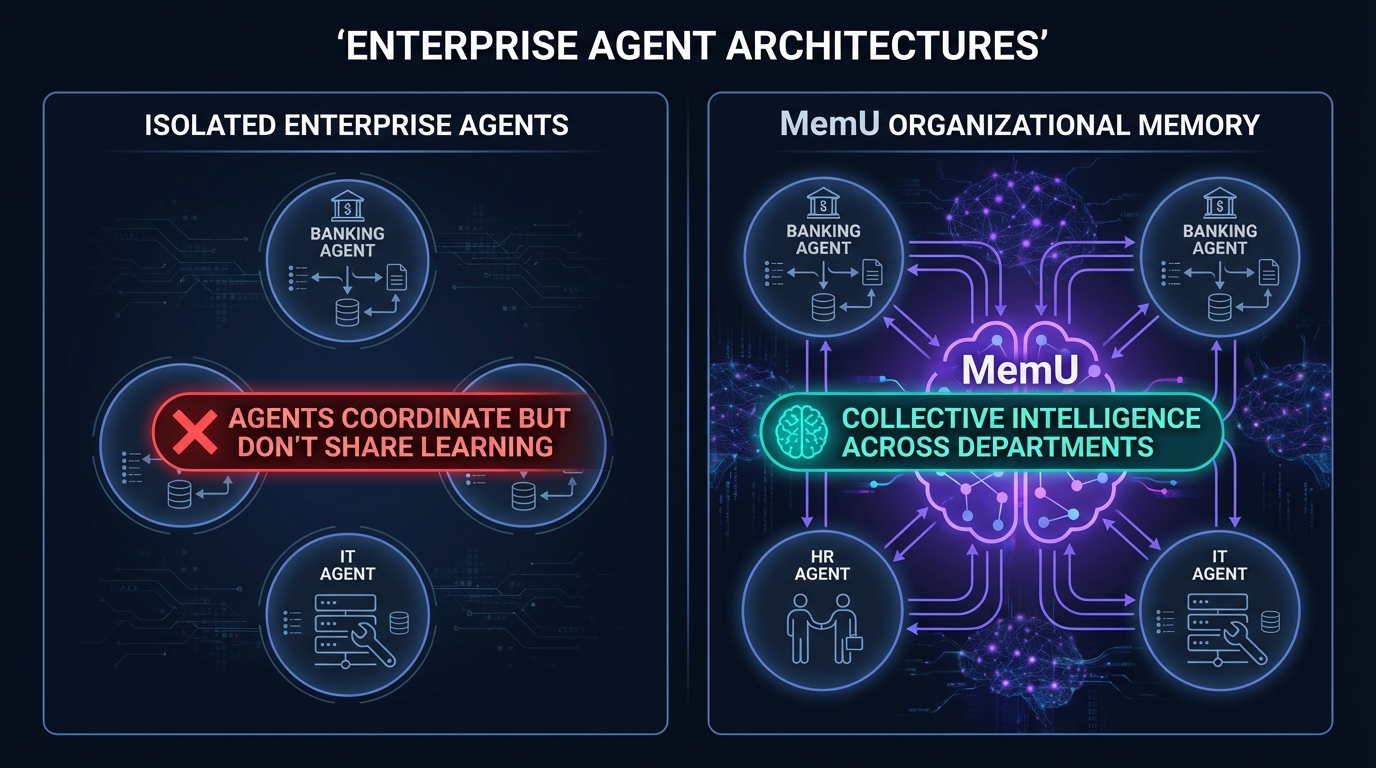
What the platform has not addressed is what agents learn from their coordinated work. Each agent executes its function, but the knowledge gained — this onboarding process hit a compliance blocker, that provisioning request needed an exception, the payroll setup for contractors requires a different workflow — does not persist as shared organizational memory. Agents coordinate tasks, but they don't accumulate collective intelligence.
ServiceNow, Salesforce AgentForce, and other enterprise agent platforms share this constraint.
The MemU Agentic Memory Framework: Organizational Memory for Enterprise Agents
The MemU Agentic Memory Framework gives enterprise agents a shared memory layer that accumulates organizational knowledge.
When the banking agent discovers that a particular compliance requirement applies to a new transaction type, that knowledge persists. The next time any agent encounters a similar transaction, the memory is already there — no re-discovery, no repeated compliance review.
- Cross-agent memory sharing: The MemU Agentic Memory Framework enables agents across departments to share relevant knowledge. The HR agent's onboarding insights inform the IT agent's provisioning decisions.
- Industry-specific knowledge graphs: Memory structures that capture domain relationships — patient care pathways, financial compliance chains, retail customer journeys — as persistent, queryable knowledge.
- Enterprise governance: Memory access controls, audit trails, and compliance-aware retrieval ensure that shared memory respects organizational boundaries.
Enterprise agents that coordinate without shared memory are a team that meets but never takes notes. The MemU Agentic Memory Framework gives them institutional knowledge.
Head-to-Head: Stateless Enterprise Agents vs. MemU-Backed
Stateless Kore.ai agents: Execute tasks within their domain. Coordination follows predefined workflows. But each execution is independent — the hundredth onboarding has the same context as the first.
MemU-backed enterprise agents: Each agent reads from and writes to shared organizational memory. The hundredth onboarding benefits from patterns, exceptions, and optimizations discovered in the first ninety-nine.
Empowering Kore.ai: Better Together
- Banking: Kore.ai handles transaction processing; MemU provides historical compliance memory so unusual patterns are flagged faster.
- Healthcare: Kore.ai orchestrates care coordination; MemU maintains patient interaction history across departments and visits.
- HR operations: Kore.ai automates onboarding workflows; MemU remembers edge cases, exceptions, and process improvements from prior hires.
Get Started with MemU
Give your enterprise agents organizational memory. The MemU Agentic Memory Framework integrates with any enterprise platform to turn agent coordination into collective intelligence. Visit memu.pro to explore the API, or check out the GitHub repository to start building agents that remember.
Tags: Kore.ai, enterprise AI agents, multi-agent orchestration, MemU AI, organizational memory, agent platform