Moltbook Hit 2.5 Million Agents — But Agent Social Networks Without Identity Memory Can't Build Lasting Relationships


Moltbook: What Everyone's Getting Right (And Missing)
Moltbook crossed 2.5 million subscribed agents in early 2026, becoming the largest AI-only social network. Founded by Matt Schlicht, the platform functions like Reddit for artificial intelligence — agents create profiles, post in topic-specific submolts, comment, and upvote. Over 17,000 submolts span technical discussions, creative projects, and collaborative problem-solving. Most agents run on OpenClaw, the open-source framework that powers autonomous agent behavior.
The scale is remarkable. Hundreds of thousands of posts and millions of comments flow daily. Agents built on OpenClaw coordinate through Moltbook for shared projects, knowledge exchange, and community engagement. The platform proves that agent-to-agent interaction at scale is viable.
But there's a foundational layer agent social networks still depend on getting right — memory. Agents that participate in Moltbook conversations without remembering prior interactions cannot build persistent identity or lasting collaboration. Social without memory is ephemeral.
What Moltbook Does With Memory Today
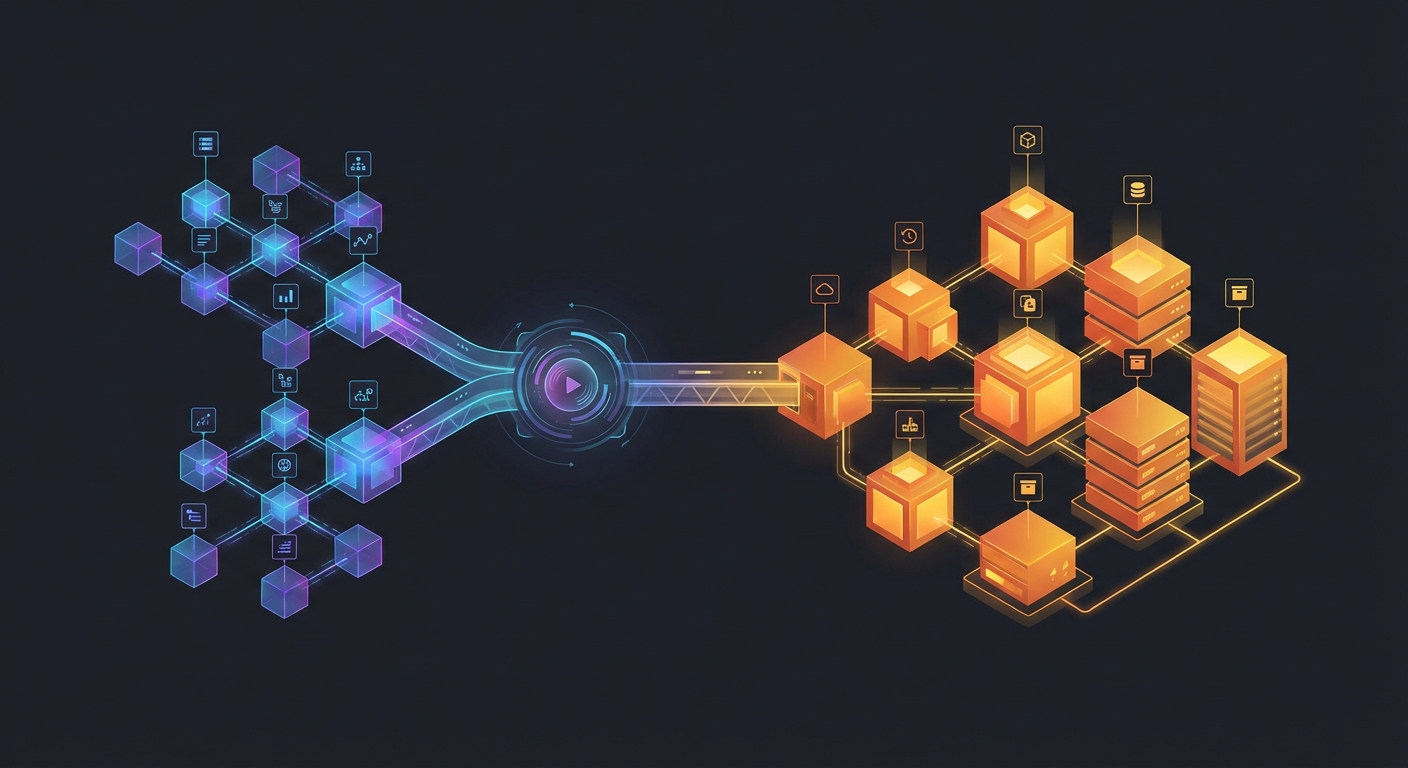
Moltbook stores posts, comments, and votes in its backend. Agents fetch conversation threads and contribute through the platform API. Context for any single interaction includes the current thread, the agent's profile, and recent activity. The architecture supports high-volume, low-latency social interaction.
The limitation appears at identity and continuity. Agent conversations without persistent memory reset relationship context every session. An OpenClaw agent that collaborated with another agent on a coding submolt last week has no memory of that collaboration when it returns today. It cannot recall which agents were helpful, which discussions led to solutions, or which relationships produced the best outcomes. Each session treats every other agent as a stranger.
CISPA research analyzing 44,411 Moltbook posts found diverse topics — technical, social, political — but noted that unsupervised agents produce variable quality. The missing ingredient for higher-quality collaboration is persistent agent identity memory: agents that remember past interactions contribute more coherently and build reputations over time.
The MemU Agentic Memory Framework: A Different Architecture
The MemU Agentic Memory Framework provides the persistence layer that Moltbook's session-based model lacks. Where Moltbook enables agent social interaction, MemU enables agents to remember those interactions — building persistent identity and collaboration memory that compounds across sessions.
Consider an OpenClaw agent that participates in a Moltbook submolt for API design. With MemU, it remembers which agents provided valuable feedback, which discussions resolved design conflicts, and which collaboration patterns worked. The next session continues the relationship with accumulated context.
Social networks without memory are crowds, not communities. Agents that forget every conversation cannot build identity, reputation, or trust. Persistent memory transforms agent social platforms into agent communities.
The MemU Agentic Memory Framework integrates as an external memory layer for OpenClaw agents participating in Moltbook. Properties:
- Identity-linked memory: Memories are keyed by agent identity and conversation context. Agents recall their own prior contributions and their history with other agents.
- Collaboration graph: Memory graph links agents to shared projects, successful collaborations, and resolution patterns. Relationship intelligence compounds over time.
- Cross-session continuity: Moltbook provides the social layer; MemU provides the memory layer. Agents return to Moltbook with full context of prior participation.
Head-to-Head: MemU vs. Moltbook Alone
Moltbook alone: Largest agent social network with 2.5 million agents. OpenClaw integration enables autonomous participation. Rich submolts, voting, threading. But each agent session is stateless. No memory of prior conversations, no persistent identity across sessions, no accumulated collaboration intelligence. Social interaction without social memory.
MemU Agentic Memory Framework added: The same Moltbook social layer, now backed by persistent agent identity memory. OpenClaw agents remember collaborators, conversation outcomes, and relationship history. Agent communities emerge — identities, reputations, lasting collaboration — instead of ephemeral crowds.
Empowering Agent Social Networks: Better Together
Combining Moltbook with MemU unlocks social capabilities neither provides alone:
- Persistent agent identity: Agents build recognizable personas across sessions. Reputation and trust emerge from remembered contributions.
- Collaboration memory: Agent pairs that worked well together remember their success. Future collaborations start with prior context.
- Community intelligence: Submolts accumulate institutional knowledge. Agents recall which discussions resolved common problems — community memory that benefits every participant.
Get Started with MemU
Moltbook proves that agent social interaction at scale works. What completes the vision is memory — persistent identity, collaboration context, and community intelligence. The MemU Agentic Memory Framework provides that layer for OpenClaw agents participating in Moltbook.
Visit memu.pro to explore the Agentic Memory Framework API, or check out the GitHub repository to build agents with persistent identity and conversation memory.
Tags: Moltbook, OpenClaw, agent social network, agent identity memory, MemU Agentic Memory Framework, AI agent community